Nepali Students Caught in International ‘Scam’, Visas of Thousands at Risk

सोमबार, ५ असोज २०८३
Kathmandu — Sagar Shrestha of Kirtipur, whose name has been changed, applied for admission to the University of East London in the United Kingdom. He submitted his application through an educational consultancy based in Bagbazar that also operates a branch in Naya Bazar, Kirtipur.
He received an offer letter within a few days, obtained a No Objection Certificate (NOC), and deposited his tuition fee with the university. The university subsequently issued his Confirmation of Acceptance for Studies (CAS). While preparing to lodge his visa application, the consultancy made Sagar an offer—and he was tempted by it.
The consultancy told him: “We will pay your visa application fee and Immigration Health Surcharge (IHS) by credit card. It will cost Rs 200,000 less than paying through the banking channel, and the process will also be faster. If you want, I can help you.”
Attracted by the prospect of saving Rs 200,000, Sagar allowed the consultancy to pay his visa fee and IHS and submitted his visa application. After his visa was granted, he travelled to the UK in the first week of May.
After arriving in Britain, however, one of his friends informed him that he might have fallen victim to a scam. Since then, he has been under considerable stress. Fearing that his visa could be cancelled, that he could be deported, or even arrested, he has been unable to concentrate properly on either his studies or his work.
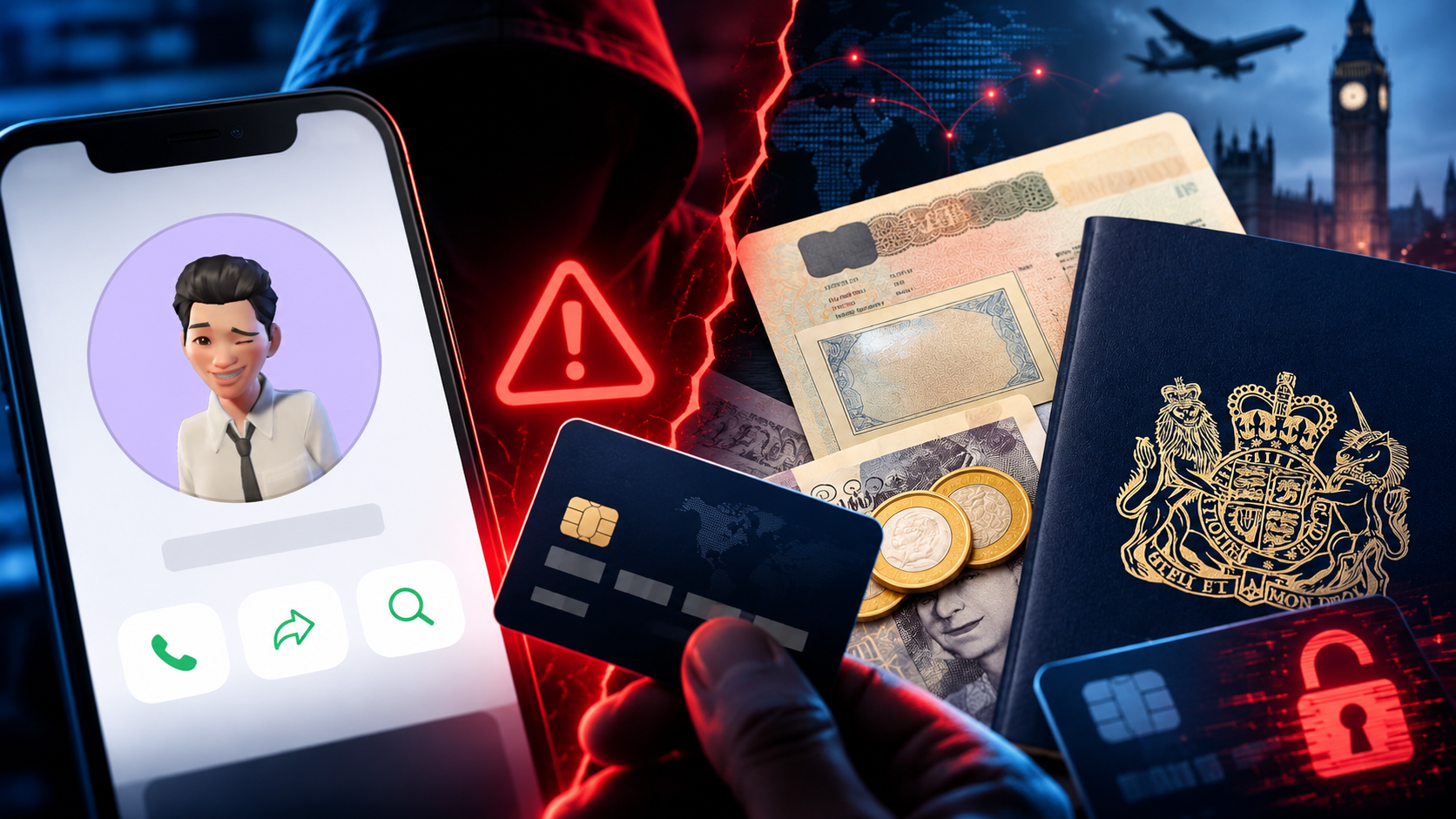
Sagar is only one representative case. Thousands of students from Nepal are believed to have been caught in scams operated by foreign groups. Some Nepali educational consultancies are also allegedly running this scheme after being enticed by foreign scammers. Groups of Pakistani hackers are alleged to be hacking credit cards issued in countries including the United States, Australia, and the United Kingdom and using Nepali consultancies to purchase different services.
How Does the Scam Work?
The scheme generally begins with an offer to make payments at a price far below the normal market rate. Educational consultancies claim that their overseas “payment partners” have access to cheaper cards or special exchange rates. They collect money from students in Nepali currency, but use another person’s credit or debit card to pay the visa application fee and IHS through the UK government’s website.
Because hacked cards are allegedly used, the transactions take place without the genuine cardholder’s consent. The payment may appear successful until the cardholder discovers it. Once the cardholder reports the unauthorised transaction to the bank, a chargeback process may begin to recover the money.
The card-issuing bank, card network, payment service provider, and institution that received the payment may then investigate the source of the transaction and the visa application connected to it.
Under this model, scammers retain the money collected from students, pay government charges using stolen or misused cards, and show screenshots or receipts to create the impression that the payment has been completed legitimately. Problems may arise later when the actual cardholder disputes the transaction.
For this reason, even students whose visas have already been approved and who have entered the UK may face the risk of visa cancellation, demands to repay the fees, or possible investigation and arrest.
How Is a Discount of Rs 200,000 Possible?
The visa application fee and IHS are fixed by the British government and are not negotiable charges that vary from person to person.
The current fee for a Student visa application submitted from outside the UK is £558. The IHS rate for students and their dependants is £776 per year.
The visa application fee is paid once, whereas the IHS must generally be paid for the full duration of the student’s stay in Britain. For example, a student applying for a three-year course would have to pay three times the annual IHS rate of £776, amounting to £2,328. After adding the £558 visa application fee, the total comes to £2,886.
A student may have to spend approximately Rs 600,000 to make these payments through the banking channel. However, consultancies influenced by overseas scammers allegedly promise to complete the same process for around Rs 400,000. Tempted by the apparent saving, students reportedly hand over cash to the consultancy.
Students often fail to ask how a consultancy can legitimately provide a discount of Rs 200,000 on fixed government charges. Such unusually large discounts may involve stolen cards, unauthorised card use, suspicious foreign-exchange transactions, or the misuse of another person’s money.
Possible Consequences for Students
Several years ago, thousands of Nepali students studying in Australia reportedly encountered problems after their health insurance premiums were paid using hacked cards. Following pressure from the students, some Nepali consultancies were reportedly forced to pay millions of rupees.
In that case, because the students had purchased policies from private insurance companies, it was relatively easy for the consultancies to reimburse the money. The situation in the UK is different because visa and IHS payments are deposited into government accounts, making chargebacks far more complicated.
If a chargeback does occur, students may be required to repay their visa fee or IHS. UK Visas and Immigration (UKVI), banks, or the police may request explanations and supporting evidence relating to the transaction.
If deception or false information is found to be connected to the application, the visa application may be refused or an existing immigration permission may be cancelled. If a student’s criminal involvement is established, they could face investigation, arrest, or prosecution.
The incident may also seriously affect the student’s education, employment, university attendance, and mental health. There is also a strong possibility that the matter would have to be disclosed in future visa applications to the UK or other countries.
Immigration agents have advised students who believe they may have been affected not to pay any additional money to the consultancy and not to delete any evidence. They should safely retain their visa application, IHS reference number, government receipts, consultancy invoices, bank vouchers, chats, emails, call records, and evidence of payments made.
According to an educational consultancy operator who works with UK applications, affected students should request written information from the consultancy explaining which card was used, who owned the card, and whether the cardholder had provided written consent.
Students should also contact UKVI through its official contact service and explain their circumstances. Those already in Britain should seek case-specific legal advice from a regulated immigration adviser or solicitor.
If there is evidence of fraud or card-related crime, students should file complaints with the UK’s Report Fraud service, the police, the Nepal Police Cyber Bureau, or other relevant authorities. They should also confidentially inform their university’s international student support or compliance team and seek assistance.
Who Is Operating This Scheme in Nepal?
A Pakistani national has reportedly been contacting Nepali educational consultancies through WhatsApp and offering commissions ranging from 20 to 27 percent. Those involved claim that chargebacks are not a problem in the UK and assure consultancy operators that the transactions are entirely risk-free.
Ali Dogar is alleged to be among those arranging transactions through Nepali consultancies. Using the WhatsApp number +44 7400 706739, he has reportedly been sending messages to Nepali educational consultancy operators and encouraging them to participate in the scheme.
To attract consultancies, he has been advertising a service under the title “Special Payment Partnership for Student Visa Consultants.”
The advertisement states that no advance payment is required to process Student visa applications for the UK, Australia, Canada, or New Zealand. It also promises special discounts for consultants, competitive exchange rates, a “100% secure process,” transparent and reliable services, and professional payment assistance.
Such offers are reportedly being used to encourage Nepali consultancy businesses to work with the payment network.
Fraud Without Making the Payment?
Information has also emerged that some educational consultancy operators in Nepal may be defrauding students by collecting money after obtaining only an IHS reference number.
When an applicant completes the IHS form through the UKVI portal, a payment option appears. The fee is paid using a debit or credit card, after which an IHS reference number is generated. That number is then used to proceed with the visa application.
Another educational consultancy operator has alleged that some consultancies engage in misconduct after the visa application has been submitted. According to the operator, the consultancy may cancel or reverse the card payment used earlier and retain the large amount of money collected from the student.
Because neither the visa officer nor the student may immediately know what has happened to the card payment, consultancies are allegedly able to continue the scheme.
Students often look into their healthcare coverage only after becoming ill in the UK. Consultancies involved in the alleged scheme are accused of exploiting this delay for their own financial benefit.